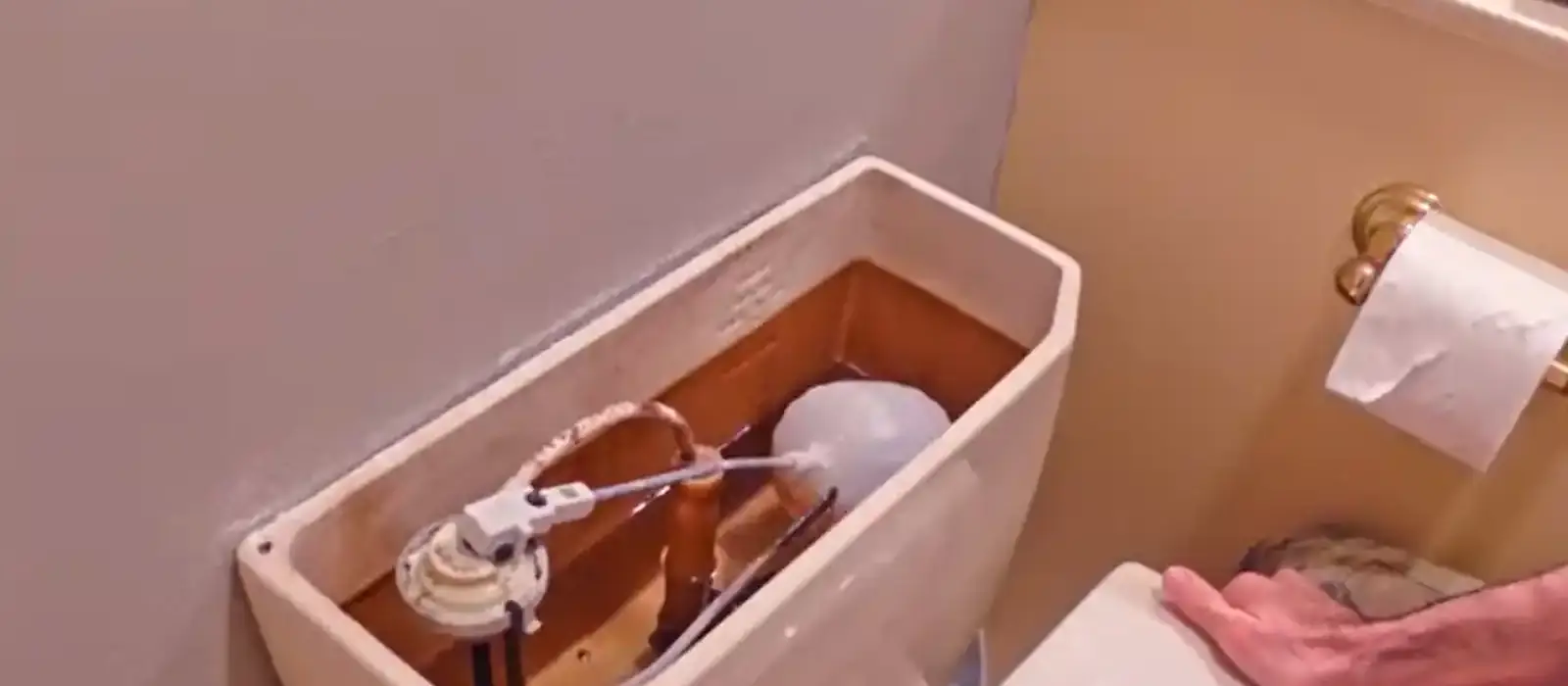
Is the flapper really the problem?
A flapper is the rubber seal at the bottom of the tank that lifts when you flush and drops to close the drain opening. When it wears out, it stops sealing. Water leaks from the tank into the bowl, the fill valve refills the tank, and you hear the toilet run on its own every so often.
Confirm before you buy anything. Put a few drops of food coloring in the tank and wait fifteen minutes without flushing. If color shows up in the bowl, the flapper is leaking. If the water level in the tank is above the overflow tube, the fill valve is the likelier cause. Our toilet repair page covers both.
Match the new flapper to your toilet
Take the old flapper to the store, or photograph the tank and the model stamp. Universal flappers fit many toilets, but a model-specific part seals better.
| Check | What to look for | Why it matters |
|---|---|---|
| Drain opening size | Most toilets use a 2 inch opening, and many newer ones use 3 inch | A wrong size will never seal. |
| Attachment style | Two ears on the overflow tube, or a ring that slips over it | The new flapper has to pivot the same way. |
| Brand and model | Stamped inside the tank or on the bowl rim | Some brands need a specific flapper. |
| Flush volume | Marked on the tank or under the lid | Low-flow toilets need the right closing time. |
If the toilet is old and the brand is hard to identify, a plumber can match the part in minutes.
Install the flapper in five steps
Most people finish before the tank refills. Here is the sequence.
Shut off and drain
Turn the supply valve behind the toilet clockwise, flush, and hold the handle to empty the tank.
Remove the old flapper
Unhook the chain from the flush lever arm, then slip the flapper ears off the overflow tube posts.
Clean the seat
Wipe the flapper seat with a cloth and a little vinegar. Scale and slime here prevent a good seal.
Fit the new flapper
Snap the ears onto the posts and hook the chain to the lever arm with about half an inch of slack.
Test
Turn the water on, let the tank fill, flush twice and watch that the flapper drops and seals.
Setting the chain length correctly
Chain length causes more repeat problems than the flapper itself. Too tight and the chain holds the flapper slightly open, so the toilet keeps running. Too loose and the chain slides under the flapper, which blocks it from closing. A good setting leaves about half an inch of slack when the flapper is closed.
If the chain is long, clip the extra off or hook it to a higher link. Never let the chain loop around the flapper seat. If the toilet still runs with a new flapper and a good chain, the seat is likely pitted or the fill valve is leaking.
What Farmington's water does to a flapper
Farmington City reports water hardness of 8 grains per gallon for services south of 600 North and 10 grains per gallon north of it. That is hard water, and heat and time turn it into scale on the flapper seat. A flapper that looks fine can fail to seal because a thin crust of mineral sits on the plastic rim.
Practical result: wipe the seat each time you replace the flapper, and consider a quarterly clean with white vinegar. If you find yourself replacing flappers every few years, a water softener reduces the scale that wears every rubber part in your plumbing. Chlorine tank tablets also shorten flapper life, so skip them.
Source type: Farmington City water department hardness figures.
When to stop and call a plumber
A flapper swap is a safe homeowner job. These five signs mean something bigger is going on.
- The toilet leaks at the base, which points to a failed wax ring, not a flapper.
- Water still runs after a new flapper and a correct chain, suggesting a worn flush valve seat.
- The tank is cracked or the bolts leak.
- Several fixtures are slow or gurgling, which can mean a drain problem beyond the toilet.
- You cannot shut off the supply valve behind the toilet.
For a leak, a weak flush or a toilet that clogs often, a plumber can look at the whole fixture on one visit.
Common flapper mistakes that bring the leak back
The most frequent mistake is buying a flapper by looks instead of by size. A 2 inch flapper on a 3 inch opening never seals, and a 3 inch flapper on a 2 inch opening will not fit the seat. The second is a chain that is too short. The third is leaving old mineral crust on the seat, because a new rubber edge cannot seal against a rough surface.
A fourth mistake is trying to fix a high water level with a new flapper. If water runs into the overflow tube, the fill valve or float is set too high, and the flapper is innocent. Lower the float or adjust the fill valve until the water stops about an inch below the top of the overflow tube.
What you need and how long it takes
Most of the work is waiting and checking. You do not need special tools.
| Item | Purpose | Time |
|---|---|---|
| New flapper | Replaces the worn seal | Five minutes to fit. |
| Towel and small bucket | Catches the last water in the tank | Two minutes. |
| White vinegar and a cloth | Cleans scale off the seat | Three minutes. |
| Food coloring | Confirms the repair afterward | Fifteen minutes of waiting. |
If anything on this list is missing, the job still works, but skipping the cleaning step is the usual reason a new flapper fails early.
A sign it is time for the whole fill and flush set
If the flapper is cracked, the overflow tube is chipped and the fill valve hisses, replacing one part at a time is a poor use of a weekend. A complete flush and fill kit costs more than a flapper but resets every moving part. If the toilet is more than twenty years old, a plumber can also compare the repair price with a new, more efficient toilet.
If you want a pro to look at it, our toilet repair plumbers carry flappers, fill valves and wax rings, and you can ask for the price first.
Toilet still running?
Call (385) 488-1892 to talk it through.
Questions from Farmington homeowners
Many last five to ten years, and hard water and tank cleaning tablets shorten that. If you replace one every few years, scale is a likely cause.
Universal flappers fit many toilets, but the drain opening size and attachment style must match. Take the old one with you.
Check the chain slack and the seat. A pitted or scaled seat will not seal, and a leaking fill valve can also keep water running.
It can be. A silent leak can waste a lot of water over a billing period, and in Farmington owners pay for leaks inside the home. See leak detection if you cannot find the source.
Yes. Our Kaysville and Centerville pages describe coverage in each town.
Yes, and they can check the fill valve and flush valve at the same time. You can ask for the price first.
Sources and where to verify
Written by the Farmington 24/7 Plumbing team using the public sources below, which you can check yourself.
- Farmington City water department and its published water quality report: Water source, hardness and service line responsibility.
- Farmington building department: Permit and excavation rules.
- Utah Division of Professional Licensing plumbing FAQ: Plumber licensing in Utah.
Plumbing work in Utah follows the International Plumbing Code (IPC) with Utah amendments, and plumbers working in Utah are expected to work to it.