What the camera actually sees
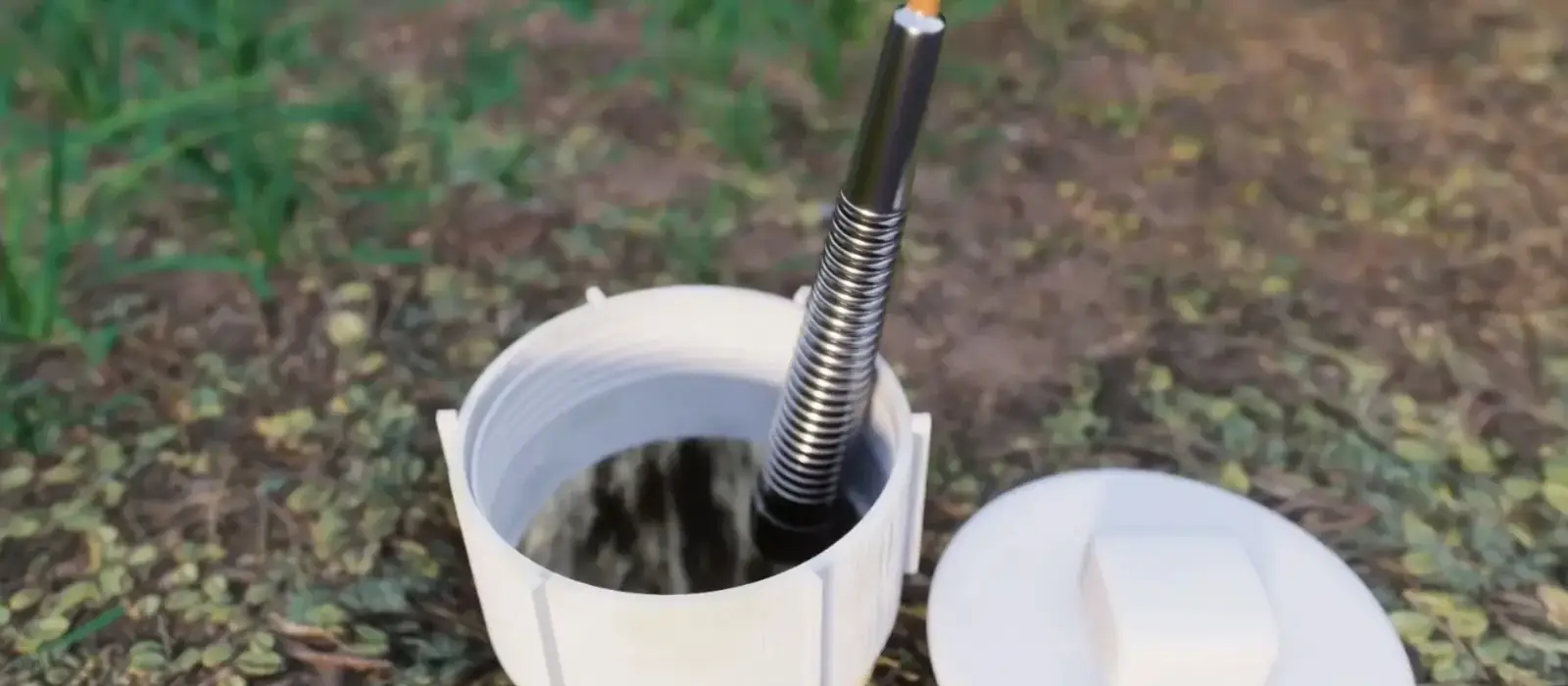
The camera head travels on a flexible rod with lights and a transmitter. A monitor shows the pipe interior, and a locator above ground picks up the signal so the plumber can mark where each defect sits and how deep the pipe runs. Most inspections record video that you can keep.
What looks like a clean pipe tells you not to spend on repairs. What looks like a cracked or sagging section tells you exactly what to fix. See sewer camera inspection for how our visits work.
How to read what the camera finds
The video is only useful if you know what you are looking at. This table translates the common findings.
| Finding | What it looks like | Likely next step |
|---|---|---|
| Grease or scale | A rough, white or tan coat on the pipe wall | Hydro jetting. |
| Roots | Hair-like or thick masses at joints | Root cutting and a plan to repair the joint. |
| Belly | Standing water in a low spot | Repair or replace that section. |
| Offset joint | Two pipe ends that do not line up | Spot repair. |
| Crack or break | A visible gap or missing pipe wall | Repair or lining. |
| Collapse | The pipe is crushed or blocked | Excavation and replacement. |
See hydro jetting and sewer line repair for what follows each finding.
When an inspection is worth the money
A camera costs little compared with digging blind. These five situations are the ones that justify it.
- You are buying a home with an older sewer lateral or mature trees nearby.
- A drain clogs again within months of cleaning.
- Several fixtures drain slowly at once.
- A repair or lining job just finished and you want proof it worked.
- You are planning a remodel that adds fixtures to the main drain.
Old and new sewer lines in Farmington
Farmington's Main Street Historic District dates from about 1853, and homes in and around it may still have clay or cast iron laterals. The city's population roughly doubled between 1980 and about 1992, so many sewer laterals were laid in a short span of years and are now decades old.
Farmington's water department says property owners are responsible for private service lines, and the sewer lateral normally falls to the owner as well, so inspection results are your repair list. If digging is needed, Farmington's building department lists plumbing systems among the work that needs a permit, and most permits also need a separate excavation permit through Public Works.
Source type: Farmington City history, water and building department pages.
What to expect on the visit
Most residential inspections take under an hour. Here is how the visit runs.
Access
The plumber finds a cleanout or opens a toilet flange.
Pre-clean if needed
A heavily clogged line is cleared before the camera goes in.
Record
The camera travels the line while the plumber marks defects.
Using footage when you buy or sell a home
A buyer who has a camera inspection done before closing can negotiate repairs or a credit. A seller who has one done before listing can show the pipe is sound. Either way, the footage replaces guesses with facts.
Ask for a copy of the video and a written note of what it shows. If the camera finds a defect, a quote for the repair gives you a number to work with. Our drain cleaning team can clear a line before the camera if it is blocked.
What the inspection does not show
A camera shows the inside of the pipe, but it cannot see through soil. It cannot tell you why the soil moved or how much a belly will worsen. It also cannot show a pressurized water leak, and it may not pass a severe offset or collapse. In those cases, the plumber relies on the locator and on the point where the camera stops.
That is why the plumber explains what the footage means and what the next step should be. A good inspection is a conversation, not just a video.
Typical questions the footage answers
A good inspection answers practical questions in plain language.
| Question | What the footage shows |
|---|---|
| Why does the line clog? | Grease, roots or a sag that catches debris. |
| Is the pipe sound? | Cracks, offsets and corrosion. |
| How deep is the line? | The locator shows depth. |
| Where does the line go? | The route from the house to the main. |
| Did the repair work? | A clean, aligned pipe after the job. |
If you want a copy of the video, ask before the visit.
Preparing for the visit
Make sure the plumber can reach the cleanout or the toilet flange. Clear the area around it, and tell the plumber about past backups, repairs and nearby trees. If you are buying a home, ask whether the seller has records of earlier work.
After the inspection, keep the footage with your home records. It helps the next owner and any future plumber.
Questions to ask before you hire
Ask whether the camera is a self-leveling model and whether the plumber carries a locator. Ask whether the visit includes a copy of the footage and a written summary. Ask what happens if the camera cannot pass a blockage, and whether the line will be cleared first.
Ask the price before the visit. A good plumber explains it in simple terms and tells you what could change it. See sewer line cleaning if the line needs to be cleared before the camera goes in.
What the camera costs you in time and what it saves
A camera visit usually fits into a single appointment, and the result is a clear plan. Without it, a plumber may open a line blindly, clear a clog that returns and charge again. With it, you pay for the right fix once. For home buyers, the camera also reveals a repair bill before closing instead of after.
Keep the footage and the plumber's written note with your home records. If you sell later, they show that the line was inspected and what condition it was in. Our Layton page shows coverage north of Farmington.
Trenchless options the footage can support
If the camera shows an intact pipe with cracks, root gaps or rough walls, a lining repair may be possible without digging up the yard. The footage tells the plumber whether the pipe can hold a liner. If it shows a collapse or a severe offset, excavation is the likelier route. Either way, you can compare the repair price with what you now know about the pipe.
Want to see inside your sewer line?
Call (385) 488-1892 to talk it through.
Questions from Farmington homeowners
A typical home takes under an hour once the camera has access. A long or blocked line takes longer.
Ask for it. Footage is useful for negotiations, insurance and later repairs.
It finds cracks and breaks in the pipe, but a pressurized water leak needs leak detection tools.
Newer plastic lines can still have bellies, bad joints or construction debris. An inspection costs little compared with a repair.
The plumber quotes the repair separately. See sewer line repair.
Sources and where to verify
Written by the Farmington 24/7 Plumbing team using the public sources below, which you can check yourself.
- Farmington building department: Permit and excavation rules.
- Utah Division of Professional Licensing plumbing FAQ: Plumber licensing in Utah.
Plumbing work in Utah follows the International Plumbing Code (IPC) with Utah amendments, and plumbers working in Utah are expected to work to it.