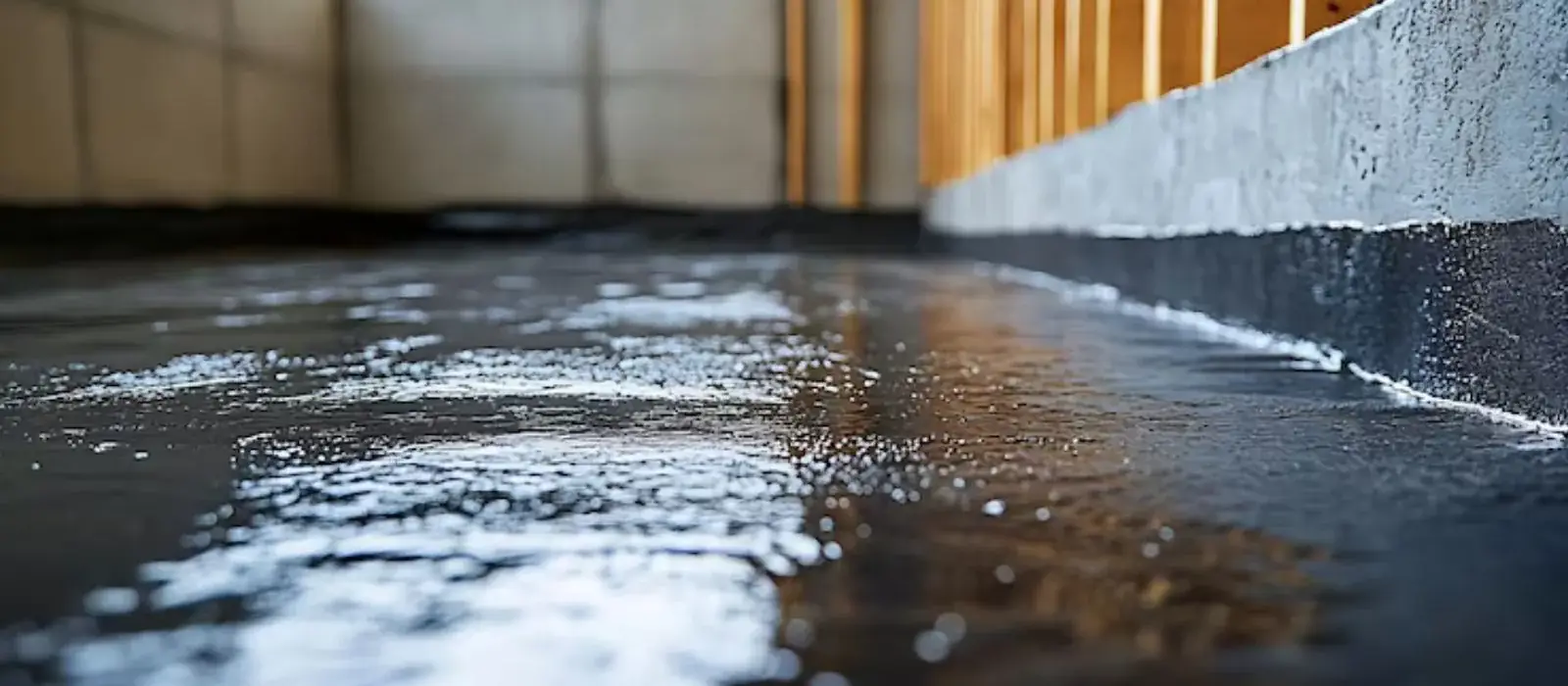
Step by step, from diagnosis to dry basement
Each project follows a similar order. The best fix is the simplest one that works.
Find the source
Check for plumbing leaks, then look at gutters, grading, window wells and wall cracks.
Fix the cheap causes
Extend downspouts, regrade soil and clean gutters. These steps cost little.
Add drainage if needed
A perimeter drain or interior channel collects water at the footing.
Install a sump pump
The drain empties into a pit, and the pump sends water outside.
Seal and test
Crack injection or wall sealing handles isolated leaks, and a water test confirms the fix.
Where water usually enters
Treating the wrong source wastes money. A plumber begins with the plumbing, since that is an easy test.
Floor and wall joint
Water rises at the joint where the floor meets the wall.
Cracks
Water seeps through cracks in the wall or floor.
Window wells
Overflowing wells push water into the basement.
Pipe and utility penetrations
Gaps around pipes and cables let water in.
Plumbing leaks
A supply or drain leak looks like seepage but is a plumbing repair.
Fixes from least to most invasive
Start at the top of the table and move down only if needed.
| Fix | What it does | Disruption |
|---|---|---|
| Gutters and downspouts | Moves roof water away from the wall | Low. |
| Grading | Slopes soil away from the house | Low to moderate. |
| Crack injection | Seals leaking cracks from inside | Low. |
| Interior drain and sump | Collects and removes water at the footing | Moderate. |
| Exterior excavation and membrane | Seals the wall from outside | High. |
Our basement waterproofing page describes each option, and sump pump work covers the pump itself.
Water, seasons and permits around Farmington
Farmington sits at the foot of the Wasatch Range, and snowmelt and summer storms are the usual times a marginal basement shows its weak points. Finished basements are common in the newer neighborhoods near Station Park and Lagoon, and older homes near the Main Street Historic District often have unfinished cellars or crawlspaces.
Drain, sump and excavation work can require permits. Farmington's building department lists plumbing systems among the work that needs a permit, and most permits also need a separate excavation permit through Public Works. Ask the city about your project, and note that the owner is responsible for private lines, per Farmington's water department.
Source type: Farmington City building department and water department pages.
Questions to ask a contractor
A good contractor answers these without hesitation. Five questions separate a diagnosis from a sales pitch.
- What is the source of the water, and how did you confirm it?
- Which fix do you recommend first, and why not a cheaper one?
- Where will the pumped water go?
- Does the quote include permits and cleanup?
- What does the warranty cover and what voids it?
What a plumber can and cannot do
A plumber can diagnose plumbing leaks, install drains and sumps and handle the discharge. Structural foundation repair, such as a wall that is bowing or a large crack that is moving, is a specialist job, and an honest plumber will say so.
If a basement has taken on water today, shut off the source if it is plumbing, move belongings and call. Our leak detection team can confirm whether the water is from a pipe.
What to do before the contractor arrives
Clear the area along the walls so the plumber can see the floor-wall joint. Move stored items off the floor. Note where and when water appears, and photograph it. A damp spot after rain points to surface water. A damp spot in dry weather points to a plumbing leak or high groundwater.
Write down what you have already tried, such as extended downspouts or caulked cracks. A contractor who hears the history can skip steps that did not help.
Typical timeline
Every project is different, but the phases follow this pattern.
| Phase | What happens | Time |
|---|---|---|
| Diagnosis | The plumber inspects the exterior and interior | A visit of an hour or two. |
| Quick fixes | Gutters, downspouts and grading | A day. |
| Drain and sump | Cut the floor, set the drain and pit, and pour new concrete | A few days. |
| Sealing | Crack injection or wall sealing | A day. |
| Testing | Water is run to confirm the system works | A few hours. |
Concrete needs time to cure before the floor is finished.
Keeping the basement dry after the work
Waterproofing is not a one-time job. Clean gutters twice a year, test the sump pump every few months, keep downspouts connected and watch for new cracks. Run a dehumidifier in humid months, and keep stored items off the floor.
If water returns, call right away. A small issue caught early is a cheap fix.
Common mistakes homeowners make
The most common mistake is painting the wall with waterproof paint and hoping for the best. Paint cannot hold back water pressure, and trapped moisture peels it. Another is sealing a crack on the inside while water still sits against the outside wall. A third is ignoring gutters and downspouts, which are the cheapest fixes and the most often overlooked.
A fourth mistake is waiting. Water that sits against a foundation grows mold, damages finishes and stresses the wall. A small leak caught early is a small repair.
What to keep for your records
Good records help with warranty claims, insurance and a future sale.
- Photos of the wet areas with dates.
- The contractor's diagnosis and quote in writing.
- Receipts for any drainage and pump work.
- The pump model, install date and warranty.
- Notes on when water returns and in what weather.
Seasonal habits that protect a dry basement
Walk the outside of the house each spring and fall. Look for gutters that sag, downspouts that have come loose and soil that has settled toward the wall. Check window wells for debris and make sure the covers fit. Inside, look for new stains, a musty smell or white mineral deposits on the wall, since each can signal a change.
After a heavy storm or a fast snowmelt, check the sump pit and the discharge outlet. A few minutes of attention at the right moment is the cheapest waterproofing there is. Our Bountiful page covers coverage south of Farmington.
Do not forget the plumbing inside the house
A water heater, a washing machine hose or a supply line can wet a basement as thoroughly as a storm can. Check the hoses behind the washer, the base of the water heater and the pipes along the ceiling for drips or stains. Replace rubber washer hoses with braided ones every few years. If you find a slow drip, fix it before it becomes a flood.
Water in the basement?
Call (385) 488-1892 to talk it through.
Questions from Farmington homeowners
Check the water meter with all fixtures off. If it moves, a pipe is leaking. See leak detection.
Extend downspouts, clean gutters and regrade soil away from the house. They often help.
If water collects at the footing, yes. A battery backup protects a finished basement.
Rarely. Sudden plumbing failures may be covered. Ask your agent.
A drainage and sump install is often a few days. Gutters and grading can be done in a day.
Sources and where to verify
Written by the Farmington 24/7 Plumbing team using the public sources below, which you can check yourself.
- Farmington City water department and its published water quality report: Water source, hardness and service line responsibility.
- Farmington building department: Permit and excavation rules.
- Utah Division of Professional Licensing plumbing FAQ: Plumber licensing in Utah.
Plumbing work in Utah follows the International Plumbing Code (IPC) with Utah amendments, and plumbers working in Utah are expected to work to it.